
Home » Liberia Lone Star Football: Rebuilding a Team That Refuses to Give Up
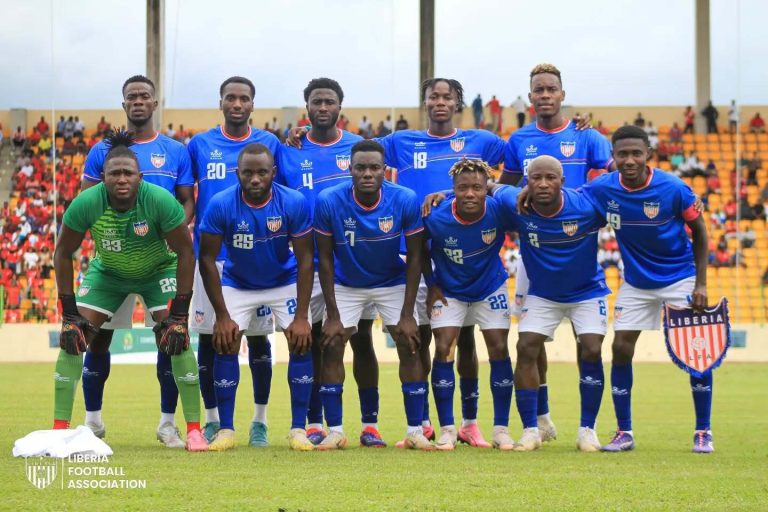
The Lone Star Football Revival isn’t just a slogan. Lone Star football always carries a certain energy. It represents pride, hope, and a belief that the country can rise above anything. You feel it the moment the team walks onto the pitch.
That same energy shows up in the very first conversations fans have about the squad. Right away, you hear passion, heartbreak, and a stubborn sense that one day the Lone Star will shine again. Because Liberia Lone Star football isn’t just a sport.
Liberians talk about the Lone Star the way some people talk about family history. There are peaks that still make people smile and dips that left a mark on the country’s sporting soul. For years, the national team inspired the entire region. There was skill, swagger, and a real sense that Liberia belonged among Africa’s best. Fans built expectations around that early success, and those expectations shaped a generation. They still influence how supporters judge the team today.
At the heart of those dreams sits George Weah. His brilliance turned Liberia into a must-watch team. His performances gave Liberia belief. As people relive those moments, they also feel the pain of how quickly fortunes shifted.
The potential for football to grow was derailed by war, instability and dysfunctional systems, however the emotional connection to the Lone Star did not diminish in spite of all of these obstacles. Instead, it became the foundation for the team’s rebuilding phase.
There’s no way to talk about Liberia Lone Star football without talking about the Weah era. George Weah didn’t just lead the team. He carried it. Due to his speed, grace, and tenacity, Liberia became an opponent that other teams would rather not face.
Fans watched him win global awards and then return home to play for the national team out of pure loyalty. Those years created a benchmark.
Although Liberia reached AFCON twice and nearly qualified for a World Cup, the team never got over that final hurdle. Yet those moments shaped what the nation expects today. Supporters still replay those near-misses with pride and frustration. They remember the Nigeria clash, the World Cup qualifiers, and the way Weah’s generation played without fear. That spirit is exactly what Liberia aims to recreate.
Eventually, Liberia’s football leaders accepted that rebuilding required a new blueprint. They couldn’t just hope for another generational talent. They needed systems. They needed a long-term plan. So the rebuild began with coaching upgrades and player development pathways. For the first time in years, people felt the plan had direction. That shift is what separates this phase from earlier attempts.
A key part of this rebuild came through international partnerships. Liberia began working with foreign technical teams to improve coaching methodology and modernize training routines. These changes instantly raised the squad’s confidence. They also forced players to adapt to higher standards and structured preparation. As a result, the newer generation learned how to compete smarter.
Liberia’s future hinges on its young players. Scouts now visit every county to spot talent early. The national youth league expanded. U-17 and U-20 squads are more organized than they’ve been in years. A few teenagers already look ready for bigger roles. Because of these new systems, promising players can develop without feeling forgotten.
Many talented players with Liberian roots grew up in professional environments abroad. For years, Liberia struggled to connect with them. Now the opposite is true. A diaspora scouting program actively reaches out to dual nationals who want to represent Liberia. This shift is huge. Players from Sweden, England, the USA, Germany, and other nations bring a different level of tactical discipline.
These players aren’t replacing homegrown talent. They’re blending with them. This mixture gives the Lone Star balance. It adds maturity, experience, and competition for starting spots. Although Liberia still wants to improve the process, the country finally found a way to make diaspora talent part of the long-term vision.
You can’t rebuild a national team without investment. Liberia’s government decided to treat football as a national priority. Budgets increased, travel conditions improved, and training camps became more consistent. These upgrades may not seem glamorous, but they change everything. Players feel respected. Coaches can plan properly. Fans see progress.
No matter how tough things get, Liberian fans keep showing up. They fill stadiums. They debate lineups on radio talk shows. They follow every qualifier with hope. And they take pride in the national colors. Their belief kept the team afloat when results weren’t great.
Supporters remind the team that they carry more than a badge. They carry a country’s identity. That energy fuels the resurgence. It’s one of the biggest reasons Liberia can realistically dream again.
Qualifying for AFCON remains the main target. Liberia hasn’t appeared since 2002, and the hunger is enormous. Supporters feel this might be the turning point. Results show progress, even against tough opponents. Liberia isn’t the favorite in its group, but it’s no longer the easy win either.
As the squad gains experience, the team grows more comfortable in high-pressure matches. A solid AFCON run would change the country’s football story instantly. Players talk openly about that goal. They know what it would mean.
Every rebuild has gaps. Liberia still needs deeper squad depth, stronger finishing, and more competitive friendlies. A national team can’t rely on just a few standout players. It needs a full pipeline. More tactical discipline and fewer defensive lapses will also push Liberia closer to qualification.
Yet these issues don’t overshadow the progress. They point to what the team must polish. The difference is that now Liberia knows how to fix them.
Lone Star football finally has a roadmap. Young players are emerging. Diaspora talent is joining. Coaching is improving. And supporters believe again. All of this creates momentum that can’t be ignored. The Lone Star is far from finished, but you can feel the shift. Something real is happening.
The young generation of Liberian footballers has the ability to achieve their goal. This is still a work in progress, however, the current trend indicates the right path. For the first time in many years, the entire nation sees an opportunity for glory.