
Home » LISCR FC coach resignation: Why Landeut quit after two months
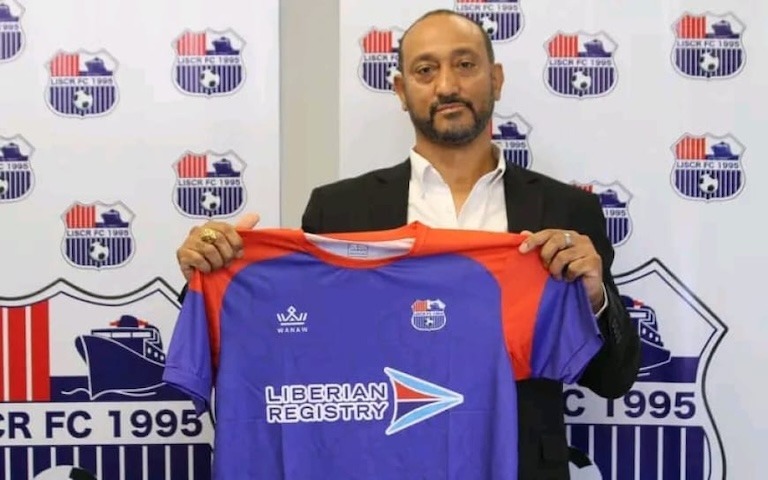
The LISCR FC coach resignation shocked many in Monrovia. Belgian coach Alain-André Landeut stepped down just two months after signing on. Officially, the club said he left for personal reasons. Behind the scenes, though, money disputes, executive interference, and unrealistic expectations played a bigger role.
The exit leaves LISCR scrambling for stability. Former Liberian international Varmah Kpoto has been named head coach. He will be supported by Mohammed Sheriff as the team reshapes its technical staff. The story isn’t just about one man leaving. It reflects wider challenges facing the club as it chases glory in the 2025–26 season.
Landeut joined LISCR FC in August 2025. He was hired to prepare the squad for the domestic league and continental competition. Expectations were high from the start. Club officials reportedly told him the league title was non-negotiable.
By October, cracks had already appeared. Sources close to the coach said he never received his full sign-on fee. Two months of salary were also delayed. On top of that, he felt the squad lacked the quality to deliver instant success.
In mid-October, LISCR competed in the West African Champions Cup in Guinea. The team drew once and lost twice. They failed to score and conceded four goals. The results only added to the tension.
The resignation came soon after the team returned home. Over the weekend, Landeut handed in his letter. The club thanked him briefly in a public statement. But insiders confirmed the split was about more than personal reasons.
Money was the loudest issue. In football, contracts are only as good as the trust behind them. Landeut reportedly waited weeks for his sign-on fee. His wages were late too. That strained the relationship before it ever really began.
Then came the expectations. The board demanded a league title in year one. For a coach new to Liberia, working with a squad that needed reinforcement, that was always a tall order. After reviewing the past three seasons, Landeut apparently told friends the demand was unrealistic.
Another sticking point was interference. Sources say executives pushed into training sessions and tried to influence tactical calls. That frustrated the coach, who believed technical decisions should stay on the bench. “Too many cooks in the kitchen,” as one insider put it.
Taken together, these issues drained his confidence in the project. The resignation may look sudden from the outside. In reality, the signs were visible weeks before.
Coaches can sometimes survive behind-the-scenes politics if results are strong. For Landeut, they weren’t.
At the West African Champions Cup, LISCR struggled. The team drew one game and lost two. They conceded four goals and didn’t score once. That record raised serious doubts about the squad’s attacking balance.
In friendlies, too, the performances were shaky. Defensive lapses were common, and the midfield often looked disconnected. Fans voiced frustration online, saying the team lacked identity.
For a new coach, such a start is difficult. Confidence drains quickly when goals are hard to come by. Add that to salary disputes and interference, and the foundation collapses fast.
LISCR FC has built a reputation for ambition. But ambition costs money. Demanding a title while delaying salaries sets up conflict from day one.
Insiders say the board wanted instant results to reassert dominance in the Liberian league. The demand to “win now” came with no patience for rebuilding. That approach may have worked in the past. In 2025, with rivals strengthening and resources stretched, it looked unrealistic.
Wage reliability also matters for dressing-room harmony. When a coach goes unpaid, players notice. It sends a message about priorities. Some squad members reportedly began worrying about their own contracts. That ripple effect can destabilize the locker room quickly.
So the resignation isn’t just about one man. It reflects deeper cracks in how the club manages finances and expectations.
Publicly, LISCR handled the exit with a short note. They thanked Landeut and wished him well. But they offered no answers about the pay dispute or the board’s demands.
Club president Swen Bedell declined calls and ignored WhatsApp messages from reporters. That silence has only fueled speculation. Fans want to know what really happened. Was this simply bad timing, or is there a deeper financial strain?
Supporter reaction online has been split. Some blame the coach for not adapting fast enough. Others say the board embarrassed itself by setting impossible standards. The debate reflects broader frustration with how football is managed in Liberia.
For now, the unanswered questions remain:
Every resignation opens a door for someone else. In this case, that someone is Varmah Kpoto.
Kpoto is a former Liberian international with a respectable playing career. He holds a CAF License A coaching badge, which qualifies him for top-level management in African football. The appointment signals the club’s desire for stability and local knowledge.
He will be assisted by Mohammed Sheriff, a familiar face in Liberian football circles. Together, they face the task of steadying the ship. Their first challenges include reshaping training routines, lifting morale, and preparing for the league opener.
Kpoto’s advantage is that he knows the domestic landscape. He understands the players, the rivalries, and the pace of the league. The question is whether he can deliver results under the same pressure that drove his predecessor away.
A coaching change in October is never ideal. Preparation time is short, and confidence is fragile. Yet the season won’t wait.
For LISCR, the focus now shifts to damage control. Can the team rally under Kpoto? Will the board adjust its demands? Those answers will define the season.
Short-term, Kpoto is expected to simplify tactics. Instead of forcing an elaborate style, he may go for a balanced setup that reduces mistakes. In the transfer market, the club will likely look for a striker to fix the scoring drought.
Long-term, the resignation raises bigger questions. Can LISCR keep pace with rivals if finances remain shaky? Will ambitious targets keep clashing with reality? The answers will shape not just one season, but the next several years.
The resignation also highlights wider issues in Liberian football. Clubs often set sky-high goals without the resources to back them. Delayed salaries are a recurring story. Coaches and players leave when promises aren’t kept.
At the same time, fan passion is strong. Supporters expect quick turnarounds and instant success. That pressure trickles down to managers like Landeut. It’s a tough balance: chase big dreams, but pay the bills on time.
If LISCR learns from this moment, it could still bounce back stronger. If not, the cycle may repeat with another coach down the road.
The LISCR FC coach resignation is more than a headline. It’s a warning sign for a club with big dreams but fragile foundations. Money disputes, board interference, and unrealistic pressure combined to push a new coach out after just two months.
Now, the story turns to Varmah Kpoto. Can he stabilize the team? Can he win over players and fans while navigating boardroom politics? The answers will shape not only LISCR’s season but also its reputation across Liberia.
Football in Liberia thrives on passion and resilience. The challenge for LISCR is to match that passion with structure, patience, and financial reliability. Only then will the club’s ambitions translate into lasting success.