
Home » Liberia Football Performance Review: Why the Lone Star Struggles and What Can Change
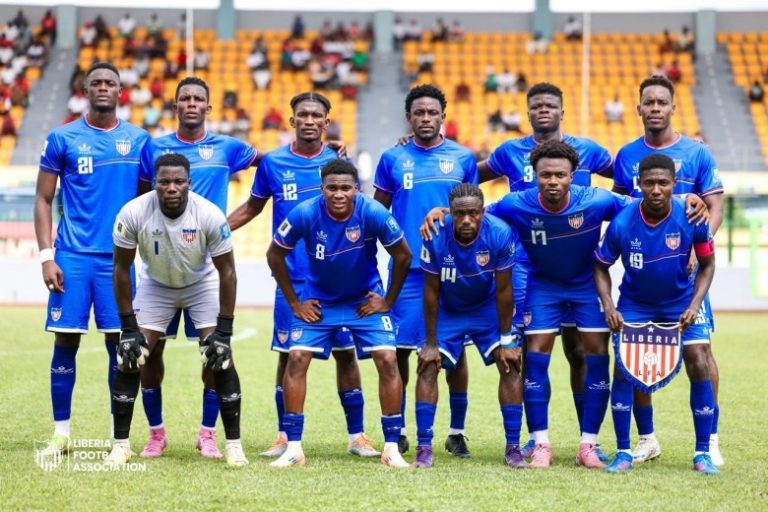
Liberia football performance review is a topic fans return to often because results keep falling short of expectations. Many supporters feel like the Lone Star should be further along by now, and it is easy to see why. First, the excitement around national team games keeps rising, yet the results rarely match the energy. Next, every campaign starts with hope but usually ends with the same story.
That’s the reason as to why many fans are calling on an in-depth evaluation of how the program runs from the very top down. They have the ability to perform and they have the heart, but this isn’t going to be consistently demonstrated by feelings alone.
Liberia’s recent results paint a picture that fans already know. There have been many attempts for over two decades by this national team to restore its past glory, when under the leadership of George Weah they were performing as well as they had ever done before. Those earlier campaigns from the 2000s set a high bar that the fans still feel today.
Next came a long stretch with missed qualifications and early exits. The 1–1 draw against Equatorial Guinea reminded everyone that progress keeps stalling.
Later, talk shifted toward bigger questions about development, coaching, and support systems. The frustration is not just about one match but about long-term patterns.
The Lone Star often rises for big moments, but that spark is hard to sustain across a full qualifying run. Before long, familiar issues return. The team sometimes struggles to keep leads, control tempo, or turn pressure into goals. Supporters often see the team fight hard but fall short in areas that usually come from structure and planning instead of individual effort.
When people look at Liberia’s performances, several recurring issues stand out. For one thing, the team has trouble consistently creating quality-scoring opportunities. Too many attacks are based on individual brilliance and do not follow a consistent pattern.
This makes it hard to break down teams that defend in numbers. For example, games against physically organized sides often end with Liberia chasing space instead of controlling it.
Next, defending set pieces has become a challenge. Corners and free kicks against the Lone Star feel dangerous more often than they should. Coaches can fix this with repetition, but consistency takes time. Then comes game management.
Still, there are bright spots. Liberia often moves the ball well when confidence is high. The team presses with energy in short bursts, and the spirit in big matches remains strong. Even so, the next step requires reliable habits, not only emotional lifts. When a team leans too much on motivation alone, results swing from high to low quickly.
The grassroots football in Liberia has a lot of potential, but the infrastructure needs improvement. The first step is for the youth leagues to create talent but at present many of these talented players are left with little to no competitive games for extended periods of time.
These young players need regular games and experienced coaches to help develop their skills and provide a pathway from youth through to senior level football.
Once the players have developed they should be placed on the U-20 or U-23 teams which will allow them to compete at the same level as the seniors and be prepared for the demands of senior-level football.
Many countries at Liberia’s level invest heavily in youth work because that is where real progress begins. For instance, clear scouting systems help identify young players early.
At the same time, community clubs need basic support to train kids in a safe and organized environment. When young players get this foundation, they arrive in the senior team ready to compete with confidence.
Then comes the domestic league. The more competitive it becomes, the more players grow. A strong league gives national team staff a pool of players who already understand modern tactical demands.
Without that, the national team keeps trying to build everything during short international windows. So developing young talent is not just a long-term dream but the fastest path to steady improvement.
Although creating a concrete plan for football has its positive aspects, there are actions that can also be implemented to alleviate short-term issues. To start with, Liberia could host a combined camp every four months or at least once per year for all of the coaches of the senior national teams (i.e. U20, U18, etc.) to create an environment where a common philosophy and coaching method can be developed.
In addition, Liberia could detail its match analysis. Coaches can study how teams exploit the same weaknesses and plan targeted sessions.
Later, the domestic league can introduce training sessions that focus on conditioning and recovery. Players often lose games late because of tired legs. So building fitness helps protect leads and stay sharp in tough moments. Another short-term step is developing regular scouting reports on upcoming opponents.
In addition, the team will be able to play with greater intelligence rather than react to things that happen on the field, because they have communicated better about their roles and responsibilities.
Furthermore, when all parties (players, coaches and the leaders) understand the “big picture”, they will find it easier to do the work required to get to the next level.
The Lone Star, still has the desire to once again compete at the highest levels of international soccer; however, the country first needs a comprehensive strategic plan that ties together youth development, coaching development, and long term investment.
Next, leaders must guide the program with clear communication and steady goals. Then, coaches and players can build on that foundation with discipline and belief.
If they are willing to work as a team, and if they are committed to using a long-term approach, then at some point in the future, Liberia will once again be a significant force in African soccer. It just takes time, however, the route to success has been made apparent and the chance is present.