
Home » Why Are Major African Football Tournaments Always Hosted by the Same Countries?
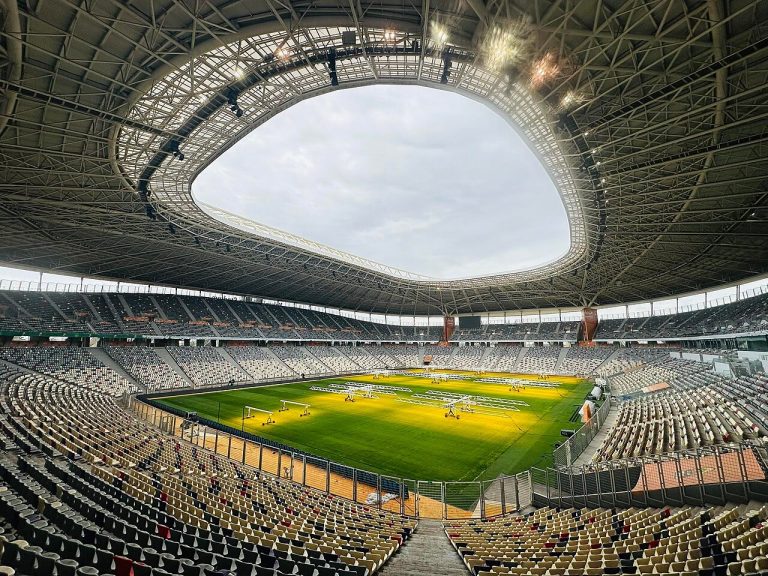
Pride, passion, and ethnic solidarity are the hallmarks of African football tournaments. Heart and unity are a big part of football games in Africa. The continent boasts some of the biggest tournaments, like the Africa Cup of Nations (AFCON), the Women’s Africa Cup Nations, and the youth competitions. Such events make heroes and help countries unite. Yet one question always comes up: why do the same few countries always host?
If you look closely, the host list is predictable. South Africa, Morocco, Egypt, and Algeria monopolize the spotlight, while much of Central Africa and the Eastern coast sit on the sidelines. Hosting rights in African football tournaments is tied to more than the sport—it is infrastructure, economies, and stability in politics.
To host big football games is more than just to build a big stadium. It is to show a country can do it all. It needs world class venues, dependable transportation, and safety. It must be a good time for teams, heads of the games, and fans.
These trends bring about questions about fairness and opportunity. Wouldn’t a tournament represent the entire continent, instead of a few?
Having one world class stadium is not enough. To host African football tournaments, a nation must have:
North African nations and South Africa have developed this ecosystem over the decades. Meanwhile, many Central and East African nations still do not have adequate roads, stadiums or accommodation to host events of a large scale.
Hosting a major football tournament is an expensive proposition. AFCON could cost the hundreds of millions of dollars to host. Countries like Morocco, South Africa and Egypt have stronger economies that can afford to take on the costs, or find corporate sponsors to cover it.
Sponsorship matters:
Football tournaments will succeed due to organization. Governing bodies such as CAF look for securely and political stability. Morocco, South Africa and Egypt are not key examples of stability, but these locations have more stability than other areas, which face coups or insurgency.
Recent examples demonstrate why this might matter:
For sponsors, broadcasters, and CAF, it is too much of a risk to give hosting rights to places that are not safe.
Hosting isn’t just about football, it’s about positioning a country. Countries are now leveraging the African tournaments to position their country based on tourism spots and investment options.
Central Africa has tremendous amount of issues around acquiring sponsorship because most do not have the international vehicle for promotion.
Why is hosting so important? Because the benefits are enormous:
South Africa was able to showcase this with the 2010 World Cup, building world-class stadiums, hosting airports, and improved hospitality sector.
The Confederation of African Football (CAF) is ultimately the intended host and organization in charge of determining who hosts the different tournaments, but has received criticism that the lifecycle process of needing reliable hosts actually translates more for the trusted countries who have the evidence of reliable capacity. This would lead to a consistent cycle for the greater continent facilitated across those countries:
To stop this, it can require CAF being active in encouraging other regions, either by coordinating a joint bid process.
Change is possible, but it requires bold investment and planning. Here are steps underrepresented regions can take:
Morocco has already got part of the 2030 FIFA World Cup. It shows that African lands with strong infrastructure can earn the world’s trust. For East and Central Africa, the message is clear: build, be safe, and show you are a good host for the future.
African football tournaments are more than games-they’re cultural milestones. However, when the same countries keep hosting, much of the continent is left out.
Good infrastructure, investments, and safety tell us why Morocco, Egypt, South Africa, and Algeria are the top hosts. Yet with the right investments and money, other countries can rise. The future could see more new hosts.
Until then, the question is still there. Will CAF and African lands break the old way, or will the same few hosts keep on with the job?