
Home » AFCON Fan Culture Diversity: How African Football Stands Tell a Story
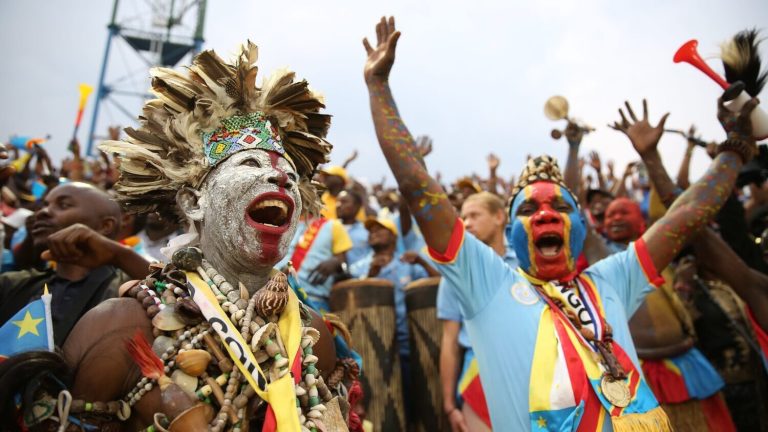
AFCON fan culture diversity is a reason the tournament feels so special. The stands come alive from the very first whistle in ways that transcend the game. The rules are consistent, but how fans express support can vary by country. That contrast transforms each game into a cultural moment, not merely a football one.
And the present was not a tale of overnight diversity. It is history, tradition, belief and shared experience. That’s why AFCON fan culture, in turn, comes off as genuine and deeply rooted.
To fully appreciate it, you need to look past borders and see how football serves as a way for communities to tell the world who they are.
The Africa Cup of Nations has always been about more than football. It converges culture, politics and emotion in crowded stadiums. Though the same rules apply to all, the fans tell very different stories. Often, those stories say more about a country than the score.
Geography also shapes how fans support their teams. Climate, city life, and old trade routes affect how people gather and celebrate. Over time, these influences have become part of each nation’s football culture. That is why AFCON fan culture diversity feels layered instead of uniform.
History matters just as much. Colonial history, wars of independence and social movements have all influenced supporter culture. As a result, supporting a national team can have far wider significance than the match itself.
It’s usually organised and intense in North Africa. In stadiums in places like Morocco, Egypt and Tunisia, backing behind the team is a communal responsibility. Supporters are there early; they come well prepared and are ready to apply constant pressure throughout the 90 minutes. Silence rarely feels acceptable.
Ultras groups dominate this environment. Their culture is based in part on Mediterranean supporter movements, where discipline and organization are deeply valued. Every chant, banner, and gesture follows a shared plan. That structure creates an atmosphere designed to unsettle opponents.
This approach turns the stadium into a psychological arena. Noise becomes a tactical weapon rather than simple celebration. Many players have admitted that playing away in North Africa feels intimidating before the match even starts.
For many fans in North Africa, football lives side by side with social criticism. Stadiums are among the few remaining public spaces where large groups can freely voice collective emotion. Therefore, chants often have nuanced meanings that extend beyond the game. Football becomes a language for shared frustration or pride.
In that context, the sense of constant support has become essential. Songs and chants are a mode of unity and resistance all at once. That mindset explains why these stands rarely pause, even during slow moments. Every sound feels intentional.
This blend of football and expression sharply separates North African fan culture from other regions. While the match stays central, the message behind the noise often runs deeper.
South of the Sahara, the atmosphere changes completely. Here, football support leans toward joy, movement, and community celebration. Fans sing, dance, and sway together, turning matches into living festivals. Even tense moments feel full of motion.
Support should be motivational, not overly intimidating. The drums, the chants and the movement lets the energy remain positive from kick off to whistle.
In countries such as Senegal, Ivory Coast and Mali, the fan groups often operate as if they are performance troupes. There is a role for everyone, whether it’s leading the chants or keeping the drumbeat.
Rhythm is at the center of support in sub-Saharan Africa. Traditional drums such as the djembe or sabar set the rhythm from kickoff to final whistle. These sounds mirror cultural ceremonies more than modern stadium traditions. Football simply becomes another space for expression.
Dance plays an equally important role. Fans move in circles, lines, and spontaneous patterns that rarely stop. Even during moments of pressure, movement continues as an act of belief.
Supporting the team means maintaining energy together. That shared responsibility strengthens the emotional bond between players and fans.
Across the continent, AFCON fan culture diversity shines visually. Stadiums transform into colorful displays filled with flags, body paint, masks, and traditional clothing. Every nation brings its own symbols, creating constant variation from match to match. Visual identity becomes part of the performance.
In many sub-Saharan regions, masks and face paint reflect ethnic heritage. These visuals connect football to ancestry and tradition. The stands become places where history remains visible and alive.
For their part, North African supporters also tend to prefer banners, tifos and coordinated color displays. These images highlight unity and discipline rather than individuality. While their styles vary, both methods have a remarkable impact.
Football support in most African countries is still heavily steeped in spiritual belief. Some have a lucky charm, or ritual they believe helps keep players from injury. Others pray as a team before matches begin. These customs mix religion, tradition and superstition in an organic fashion.
For a lot of sub-Saharan fans, this level of spiritual support doesn’t seem fanatical so much as normal. This belief adds another layer to AFCON fan culture diversity.
Together, these support styles reflect the complexity of the continent. Fans in AFCON reflect the continent; a place where common passion takes different shapes. There’s no one model that owns the tournament. That balance feels authentic rather than forced.
While many European stadiums chase uniform intensity, AFCON embraces contrast. There is silence, there is rhythm and choreographed spectacle right next to spontaneity. Each match feels unpredictable because expression varies so widely.
This variety also undermines external assumptions. frican football culture cannot be reduced to one image. Each event provides both a reflection on how culture shapes sport.
AFCON stands apart because it allows identity to lead. Fans are not pushed toward one style of support. Instead, authenticity sets the tone. That freedom keeps the atmosphere genuine.
Neutral viewers often remember the stands as vividly as the goals. Emotion feels raw and unscripted. Even quiet moments carry meaning.
This kind of openness is what stops the tournament from ever feeling stale. Every edition is full of fresh rhythms, visuals and stories. That variety keeps global audiences coming back.
AFCON fan culture diversity is not background noise. It forms part of the tournament’s identity. From disciplined ultras to joyful dancers, every supporter contributes to the story unfolding in the stands. That combination is what turns football into a cultural expression.
And for as long as AFCON does not resist these contrasts, its stadiums will remain unforgettable. The stands will continue to tell stories that can never be found in the statistics. That enduring emotional connection is why the tournament still resonates around the globe.