
Home » Liberia football stadium renovation: How better pitches are changing the game
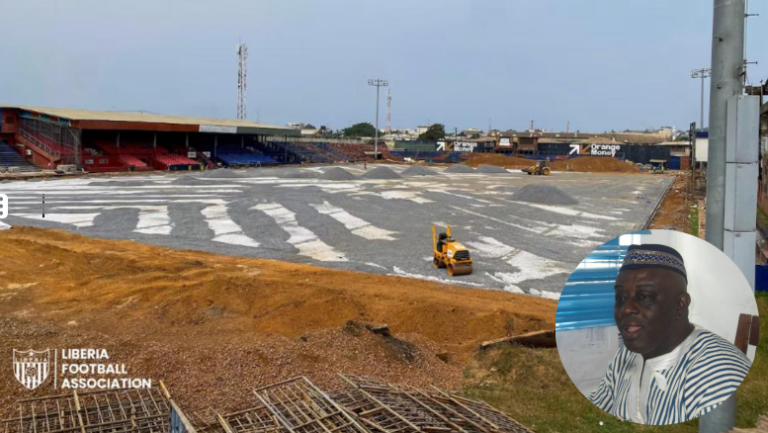
The Liberia Football Stadium Renovation is causing a stir within the Liberian Sports Scene. The Antoinette Tubman Stadium (ATS) in Monrovia is at the forefront of this movement, however there are renovations taking place throughout the county.
The crews resurface the fields, fix the drainage systems and improve the seating areas. There are also flood lights allowing for training during the evening hours as well as locker rooms and medical bays giving the players the proper facilities. This was done to increase the player’s safety, comfort and performance as well as that of the spectators.
The Liberia Football Association (LFA) states that their goal is simply to bring national football to modern day standards. The stadiums that could only hold league matches will be able to hold both local and international matches.
Antoinette Tubman Stadium is the heart of Liberian football. The renovation here includes:
For decades, ATS has hosted league finals and national team games. Its makeover gives players a world-class stage and fans a safer, more enjoyable experience.
The Liberia football stadium renovation doesn’t stop in Monrovia. In counties like Bong, Grand Bassa, and Nimba, smaller stadiums are also getting attention. Fresh turf and improved stands make it easier for local clubs to train and compete.
For many young players, these venues are their only pathway into professional football. Now they can train year-round, regardless of weather. That consistency helps coaches focus on skill development rather than field conditions.
Jonathan Armah Baxter, a former NPA Anchors striker, said the changes would have transformed his own career. “Back in our time, we didn’t have access to quality pitches,” he recalled. “Today’s players are lucky to train on well-kept fields that help them grow faster.”
Better infrastructure means better football. Smooth surfaces reduce injuries and keep training schedules on track.
Young players now enjoy conditions that match their ambition. Coaches can plan structured training blocks, while scouts find it easier to assess talent. “Talent is important, but dedication and hard work are key,” Baxter said. “Players must use these new facilities wisely if they want to succeed.”
The renovation program began in 2023 and is rolling out in phases through 2025. Funding comes from the LFA, the government, and international partners. Each stadium follows FIFA’s safety and size requirements, ensuring Liberian clubs can host official competitions.
Estimated figures shared by local officials suggest ATS alone costs several million dollars to modernize. County venues, though smaller, also receive steady investment. The aim is to reach full compliance with regional tournament standards by late 2025.
With the success of the first round of stadium construction completed, Liberian grassroots soccer is gaining steam. Better quality pitches, and a stable schedule will allow smaller clubs to have opportunities to hold regular tournaments and youth league matches. Schools and Academies are partnering with the LFA to utilize these new facilities as places to conduct trainings and outreach programs.
The focus of the second phase of this project is maintenance of the existing and newly constructed stadiums. In order to keep all of the facilities in good condition, the LFA is establishing regional teams that will be responsible for maintaining the cleanliness of each facility, turf care and checking the lighting at each stadium.